

Fencing: Dos, Don’ts, and Inspirational Ideas for a Beautiful Outdoor Space
Creating a stunning garden starts with strong foundations - and your fencing plays a bigger role than you might think. The right fence not only provides security and privacy but also shapes the overall look and feel of your outdoor space. Whether you're refreshing your garden for spring or planning a full redesign, here are the essential dos and don’ts every UK homeowner should know, along with inspiring ideas to make your garden truly stand out.
DO…
-
Your fence should complement your home and the way you use your outdoor space.
Modern homes: Opt for horizontal slatted fencing for clean, contemporary lines.
Cottages and period properties: Classic featheredge fencing or decorative panels blend beautifully.
Family gardens: Consider sturdy, pressure‑treated fencing that stands up to everyday wear.
-
Before installing or replacing a fence, check who is responsible for the boundary. Title deeds often indicate this, and it can avoid disputes later. When in doubt, communicate openly with neighbours.
-
Cheaper options may save you money upfront but often cost more long-term due to repairs or replacements. Look for:
Pressure-treated timber for long-lasting durability
Weather-resistant fixings
Concrete or treated wooden posts to minimise rot
Long-lasting fencing is one of the best investments you can make in your garden.
-
If you’re looking to welcome nature into your garden, choose wildlife-friendly options:
Leave small gaps for hedgehogs
Opt for trellis tops that provide bird-friendly perches
Allow climbing plants to soften fence lines for pollinator appeal
-
Plan your borders, beds, and pathways around your fencing to create a harmonious look.
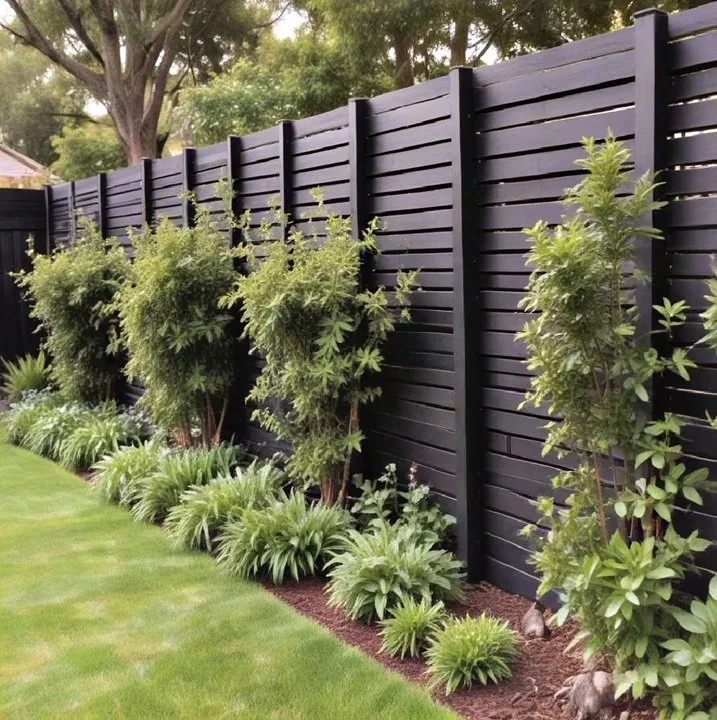
Painted panels can act as beautiful backdrops for planting - think deep greens, charcoal or natural wood stains. Ask your landscaper for advice on where to start.
Dont…
-
Windy areas may require stronger posts and thicker panels.
Shaded gardens may need lighter-coloured fencing to brighten the space.
Sloped gardens may need stepped or custom fencing.Understanding your garden’s landscape will protect your investment and ensure a professional finish.
-
Even treated wood benefits from routine care. Avoid:
Leaving soil or debris against the base of your fence
Allowing climbing plants to root directly into panels
Ignoring signs of early wear
A simple annual check-up can add years to your fence’s life.
-
Most standard garden fencing doesn’t require planning permission, but there are exceptions — especially with heights over 2 metres, or properties next to highways. When in doubt, always check local guidance.
-
Large shrubs, bamboo, or vigorous climbers can place unexpected pressure on panels and posts. Choose planting that suits your fence’s strength.
Inspirational Garden Ideas to Transform Your Space
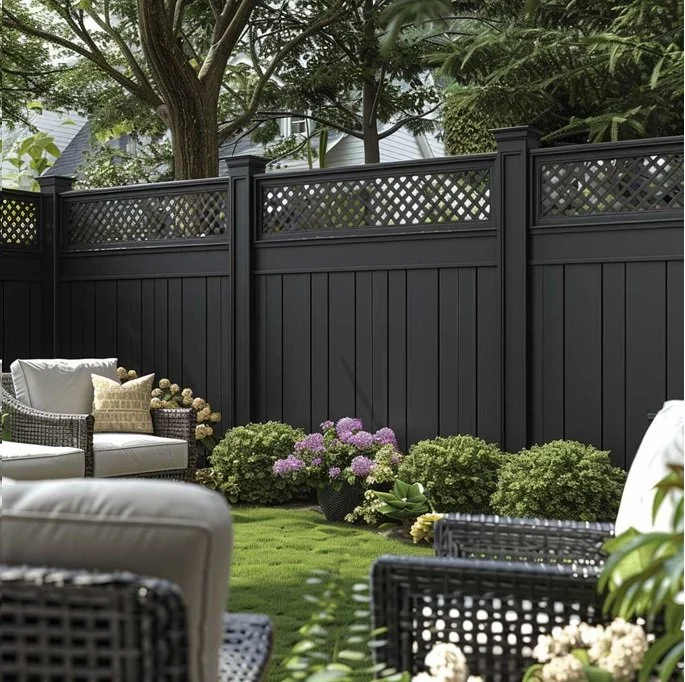
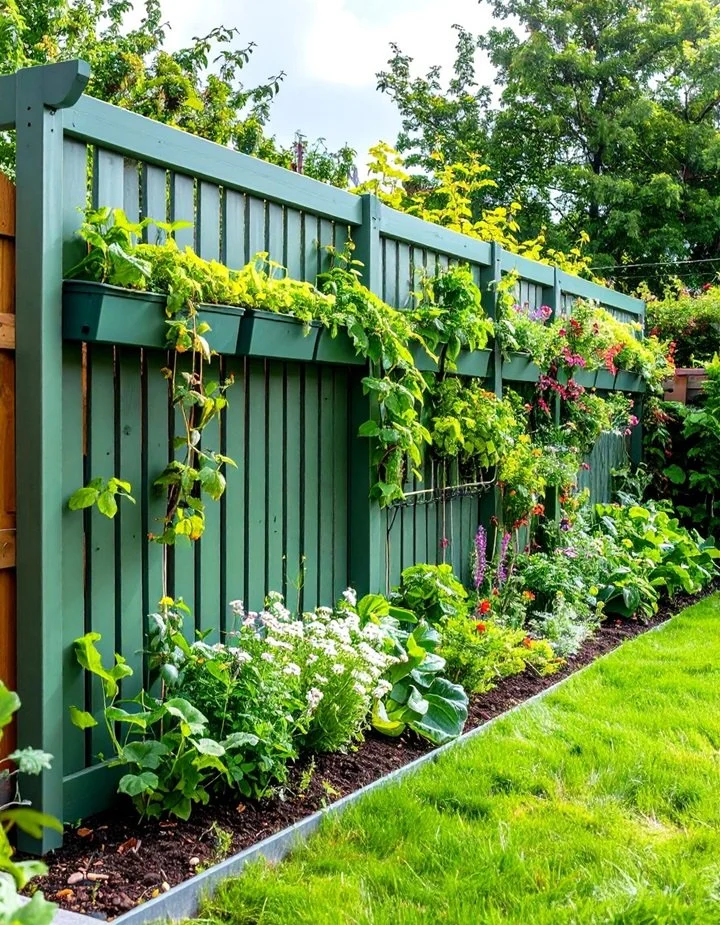
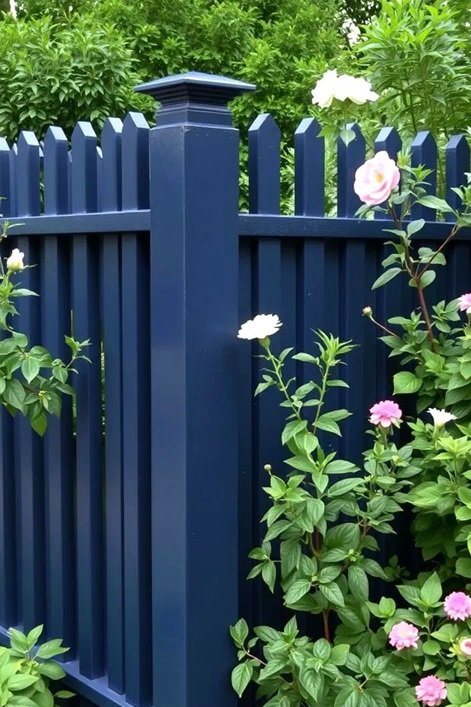
Paint your fence in a bold colour; navy, sage green, or even black - to make flowers stand out dramatically. This works especially well in smaller UK gardens, creating depth and contrast.
The Verticle Garden
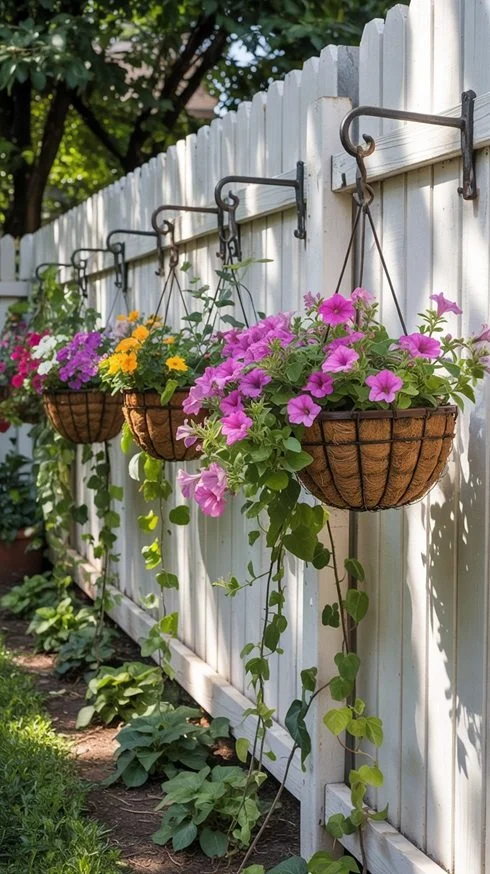
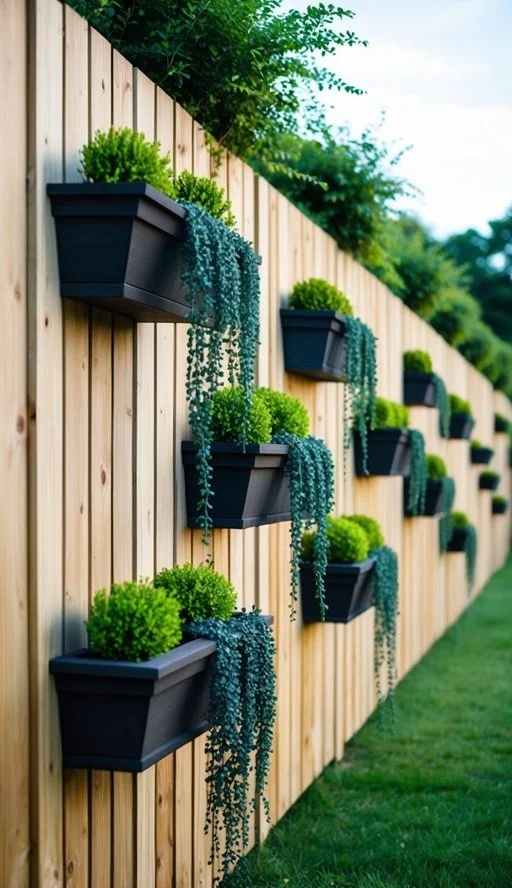
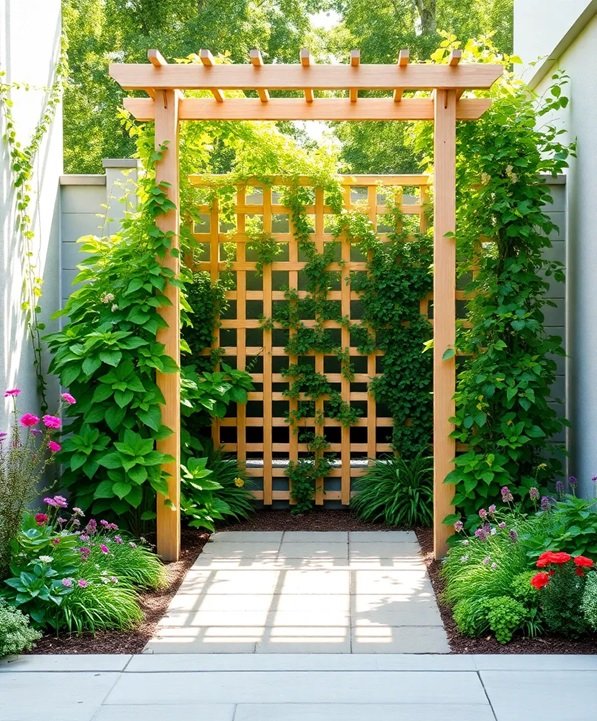
If space is tight, use your fence as a living wall:
Hanging pots
Wall-mounted planters
Trellis for climbers
This adds height, greenery and a modern design twist.
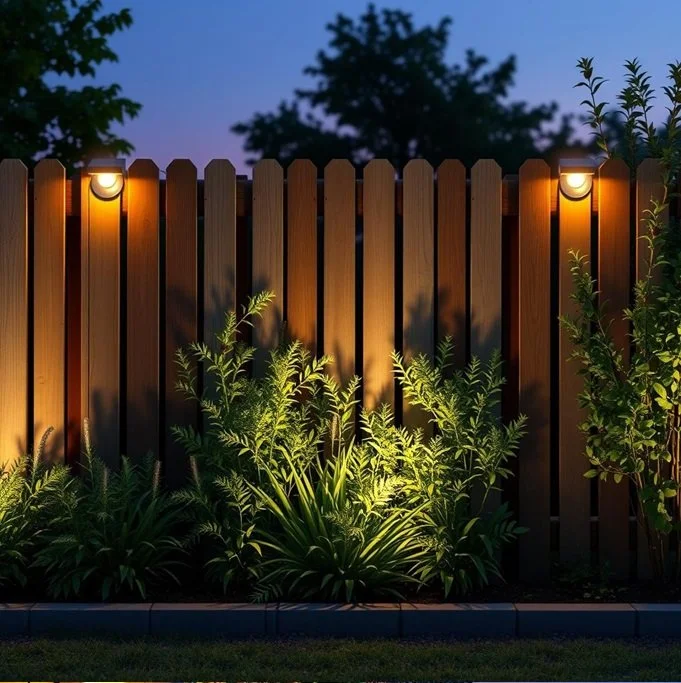
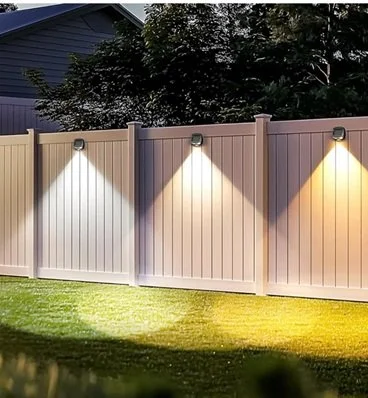
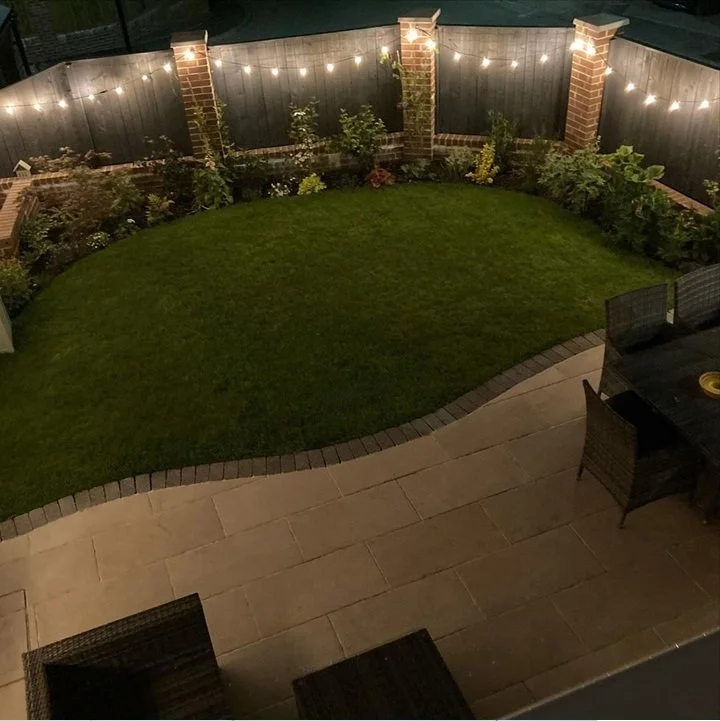
The Decorative Lighting Fence
Add solar-powered lights, festoon strings, or integrated LED panels to transform your fencing into a striking evening feature. Ideal for entertaining or creating a relaxing ambience.
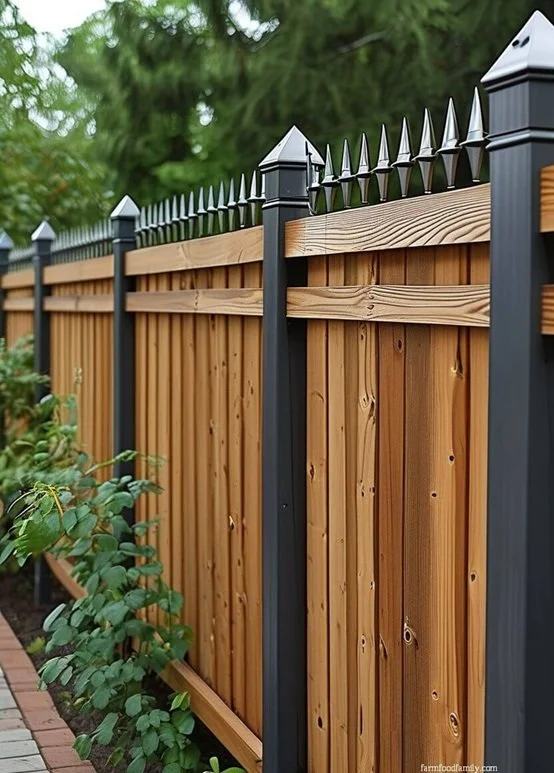
The Mixed Material Look
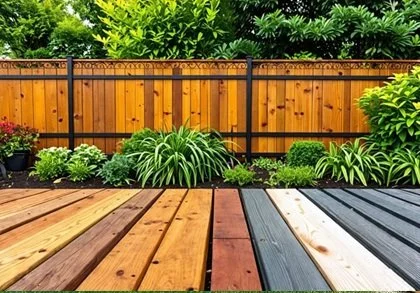
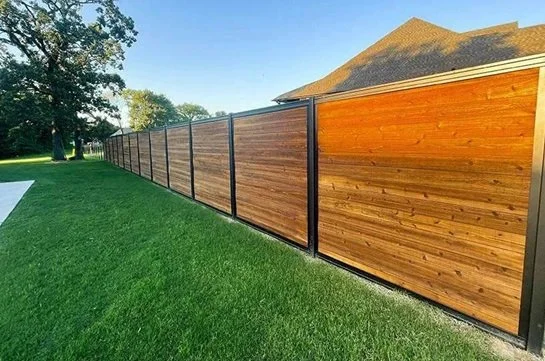
Combine wood with metal or composite elements for a stylish and durable finish. This approach is growing in popularity across the UK for its contemporary appeal and longevity.
Ready to Enhance Your Garden?
A well-designed fence does far more than mark a boundary - it sets the tone for your entire outdoor space. Whether you're looking for more privacy, better security, or an inspirational garden makeover, professional fencing installation ensures safety, quality, and style that lasts.
If you're considering new fencing or want advice tailored to your garden, get in touch with our team today. We’re here to help you create a space you’ll love for years to come.

Winter garden care: 5 essential jobs to do in your garden this winter
Winter garden care
Winter may slow plant growth, but it’s a critical season for garden maintenance and planning. Taking the right steps now will protect your plants, improve soil health, and ensure your garden is ready to thrive when spring arrives.
Whether you’re maintaining a small garden or planning a full landscaping upgrade, here are five essential winter garden care tasks you shouldn’t ignore.
Protect plants during cold weather
Cold temperatures, frost, and excess moisture can damage plants if left unprotected.
Winter plant protection tips:
Mulch borders to insulate roots and retain nutrients
Wrap tender shrubs with horticultural fleece
Move potted plants to sheltered areas
Elevate containers to improve drainage
Proper plant protection is one of the most important garden jobs in winter and prevents costly replacements in spring.
2. Tidy and maintain your garden responsibly
A winter tidy improves garden health while still supporting wildlife.
Focus on:
Removing diseased or damaged plant material
Clearing leaves from lawns and paths
Cutting back perennials once dormant
Cleaning pots, tools, and garden furniture
Leaving some seed heads and natural debris helps birds and beneficial insects survive the colder months.
3. Care for your lawn in winter
Your lawn still needs attention, even when growth slows.
Winter lawn care essentials:
Remove fallen leaves to prevent moss and disease
Avoid walking on frozen or waterlogged grass
Trim lawn edges for a tidy appearance
Apply a winter lawn feed if suitable
Healthy winter lawn care leads to stronger grass growth in spring.
4. Plan landscaping and garden design projects
Winter is the ideal time to plan improvements without disrupting growing plants.
Consider:
Redesigning borders and flower beds
Adding patios, paths, or raised beds
Improving drainage or soil structure
Booking professional landscaping services early
Many homeowners search for winter landscaping ideas now — planning ahead secures availability before the busy spring season
5. Prepare your garden for spring
Spring success starts in winter.
Get ahead by:
Ordering seeds and bulbs early
Adding compost or well-rotted manure
Repairing fences, sheds, and garden structures
Starting hardy seeds indoors where appropriate
These winter gardening tasks make spring planting faster and more productive.
Why winter garden care matters
Neglecting your garden over winter can lead to poor plant health, compacted soil, and delayed growth in spring. By investing time in winter garden maintenance, you’ll enjoy a healthier, more attractive outdoor space all year round.
Looking for more winter gardening tips or professional landscaping advice?
Browse our website for expert guides, seasonal checklists, and landscaping services tailored to your garden.
Your best garden starts with winter care.